

The Loop
- 6 Ekiti Close, Bodija, Ibadan
- +234 703 314 6345
- info@ceidhub.org
Africa holds some of the world's most extraordinary biodiversity. And most of it is disappearing faster than we can name it.
SNBC is CEID Hub’s answer to a question the climate conversation too often skips: what happens when we stop treating nature as a backdrop to development, and start treating it as the foundation of all life?
Through immersive field experiences, indigenous knowledge and community-based action, SNBC produces conservation leaders who don’t just understand ecological systems — they actively strengthen them.
Conservation isn't something that happens in national parks far from where people live. It happens in community forests, on riverbanks, in school grounds. That's where we work.
An immersive, multi-day in-person experience combining classroom sessions with deep field exposure. Facilitated by experts in ecology, ornithology, botany and environmental sustainability — including specialists from the IITA Forest Center.
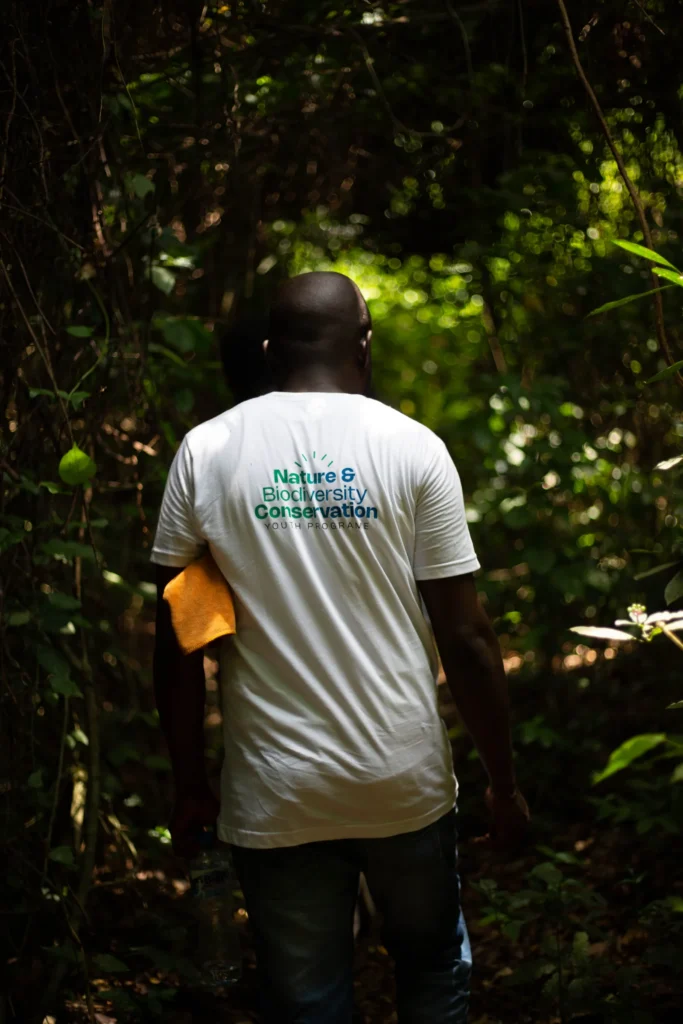
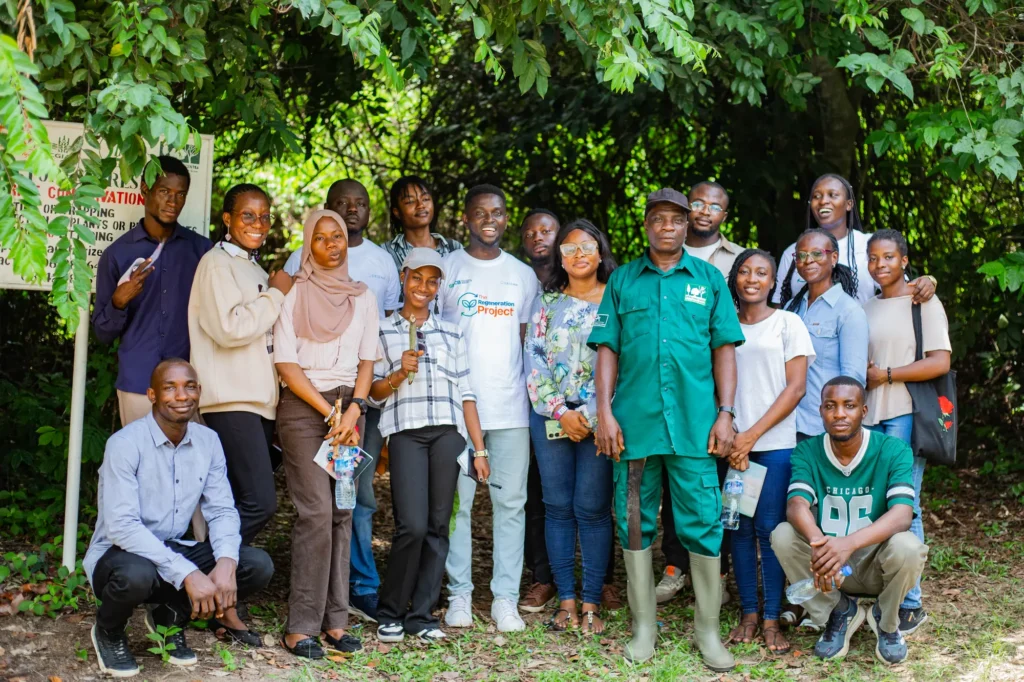

School of Nature and Biodiversity Conservation — Cohort 1 field immersion and community restoration.
110+ indigenous and economic trees planted so far. The goal is one million by 2050.
Conservation doesn’t end in the field. SNBC’s Restoration Project takes participants directly into communities across Nigeria, where they plant and restore lost indigenous tree seedlings, engage community members, and serve as living examples of climate action in practice.
The programme is implemented in partnership with the Ministry of Agriculture Forestry Department (Oyo State), ensuring every tree planted is strategically placed, ecologically appropriate, and supported by community ownership. In partnership with the IMAGES Initiative under the Carbon Offset Project Africa (COP-Africa), SNBC cultivated 25 indigenous trees (Erythrophleum suaveolens) at the botanical garden of the University of Abomey-Calavi in the Republic of Benin, extending our restoration efforts across West Africa.
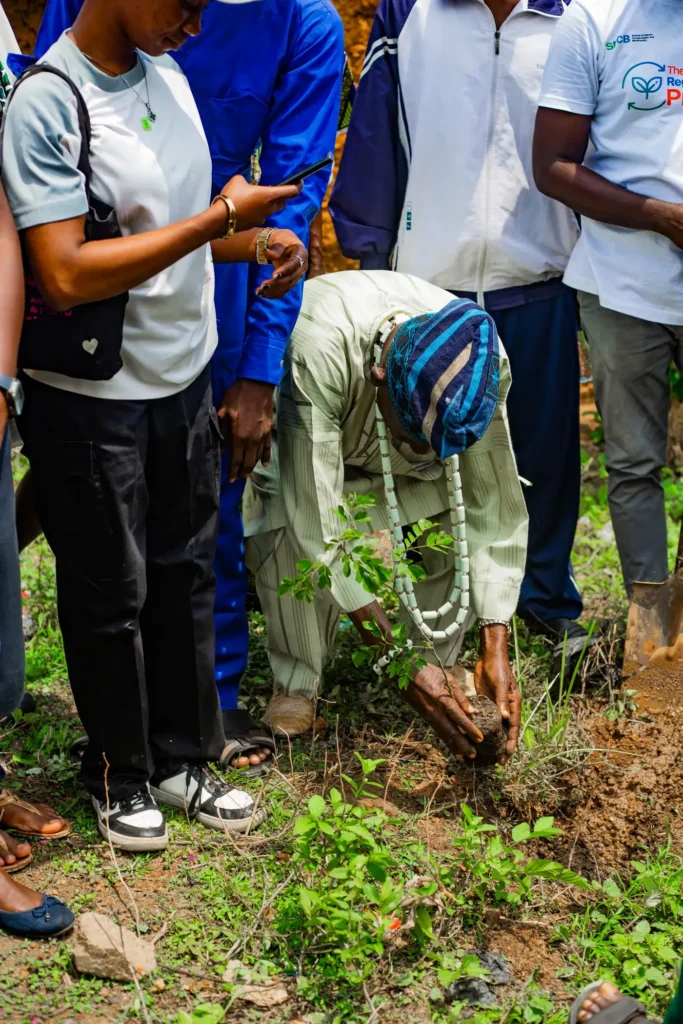
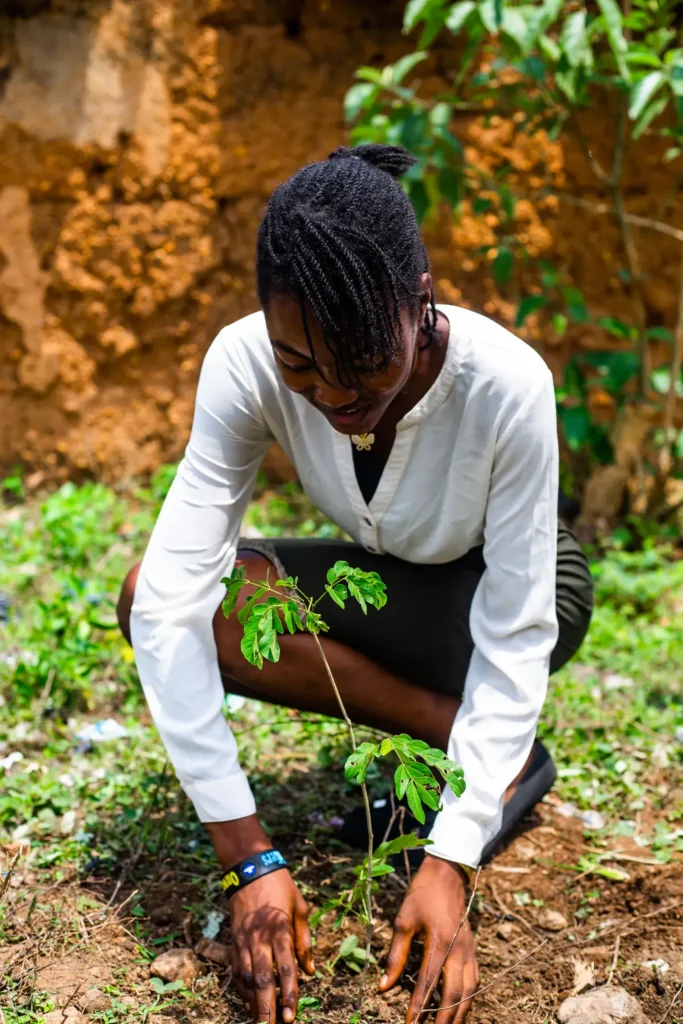
SNBC, working with local chiefs and community leaders, has restored indigenous trees lost — including Igi Ayunre (West African albizia) — in the Idi Ayunre and Oje communities in Oyo State, and will continue to lead the cultivation of indigenous and economic trees, including fruit trees, in communities across Nigeria.
What you need is curiosity, a willingness to get your hands in the soil, and the belief that Africa's natural heritage is worth protecting.

Restoring ecosystems and building community climate resilience

Protecting terrestrial biodiversity and halting deforestation

Delivering experiential, community-embedded environmental education
Conservation cohorts open to youth, schools, universities and corporate groups.
Community awareness campaigns and policy dialogues on biodiversity protection.
Expanded tree planting initiatives across additional Nigerian states and West African countries.
Research projects on local biodiversity with academic and institutional partners.
Innovative digital tools for biodiversity monitoring, including AI-assisted species identification.
The next SNBC cohort does not have a start date yet. Apply now to join the waiting list, and we will email you as soon as the dates are confirmed, with everything you need to prepare.
Whether you want to train, incubate, study or conserve, there is a place for you in the ecosystem CEID Hub is building.