

The Loop
- 6 Ekiti Close, Bodija, Ibadan
- +234 703 314 6345
- info@ceidhub.org
Africa's green economy doesn't need more spectators. It needs innovators.
GreenVET addresses the economic, social, and environmental dimensions of sustainability. Through hands-on training in circular economy, renewable energy, sustainable agriculture, intelligent waste management, and AI & the green economy, it equips African women and youth with industry-relevant green skills to drive change in their communities, build resilience, and promote environmental stewardship.
The programme is immersive by design: every capacity-building track is built around an experience that leaves beneficiaries with relevant green skills, an enabling starter kit, entrepreneurial capacity, opportunities for internships and job placement, and a reliable pathway into the green economy.
The overarching goal is to build a pipeline of green entrepreneurs, innovators, and a skilled workforce — people who offer solutions to energy poverty in Africa, drive food security through regenerative food systems, and design out waste and pollution through resource-efficiency solutions.
GreenVET is designed for young Africans aged 18–35 who are ready to acquire practical green skills and use them to earn a living, start a business, create employment, and take the lead towards the green economy.
Each track runs as its own cohort, with its own starter kit and its own route to income.
Over 600 million Africans lack access to reliable electricity. In Nigeria alone, approximately 85 million people — roughly 40% of the population — remain unconnected to the national grid.
Millions more who are technically “connected” experience power supply for as little as four hours a day. Businesses shut down, hospitals run on fumes, students study by candlelight. Nigeria’s energy crisis constitutes a major limitation to human potential. Nigeria’s energy sector is currently undergoing a transformation, and CEID Hub is training and enabling the minds that will lead it.
In partnership with Innovate UK, Celloop, Decibel Labs and ThinkClock Battery Labs, this programme equips women and youth with the technical and entrepreneurial skills to design, assemble and recycle lithium-ion battery packs — from large-scale energy systems to mini power banks. Delivered as an online, self-paced course followed by an intensive three-day, in-person, hands-on workshop.
Register for this track and you are added to its waiting list. When the next cohort is confirmed, we email you the dates and what to bring.


Between April 2025 and March 2026, CEID Hub delivered 7 cohorts across 3 South-Western states and higher institutions — Oyo State, Osun State, Lagos State, University of Ibadan, Yaba College of Technology and KolaDaisi University — training 1,214 participants online and graduating 355 hands-on participants who each received a physical battery pack starter kit.
Graduates are assembling solar battery packs, performing repairs, earning income from battery-related services, teaching peers in their communities, and accessing internships and jobs. One graduate won a ₦50 million Federal Government grant for clean energy innovation after completing the programme. A significant proportion of graduates, particularly women, report a measurable increase in confidence to pursue technical opportunities — a shift that goes beyond skill acquisition into identity. Others are accessing global incubation programmes that open up a global network of mentors, resources and funding opportunities.
The training has helped me unravel the knowledge and mystery behind lithium batteries. I take lead in solar installations and I go on installations with confidence better than before the class.
I have earned income from the packs I designed and assembled using the knowledge I gained during the training.
Graduates of the Battery Pack Design & Manufacturing training on what changed for them after the cohort.
Battery Pack Design & Manufacturing — graduate interview
Battery Pack Design & Manufacturing — graduate interview
Battery Pack Design & Manufacturing — graduate interview
Light up Africa, and build an economic future in your own local area.
GreenVET provides the technical know-how and business acumen for women and youth through solar energy training to transform communities across Nigeria. Facilitated by industry experts, the programme takes participants from foundational theory to full practical competency, covering solar panel setup, system configuration, installation and ongoing management.
GreenVET’s solar training doesn’t stop at the technical. Participants also explore the business side — identifying local solar opportunities, pricing services, pitching to businesses, building a renewable-energy practice, and working on a community impact project. Trainees have the opportunity to access internships with our partner solar and battery organisations.
Register for this track and you are added to its waiting list. When the next cohort is confirmed, we email you the dates and what to bring.
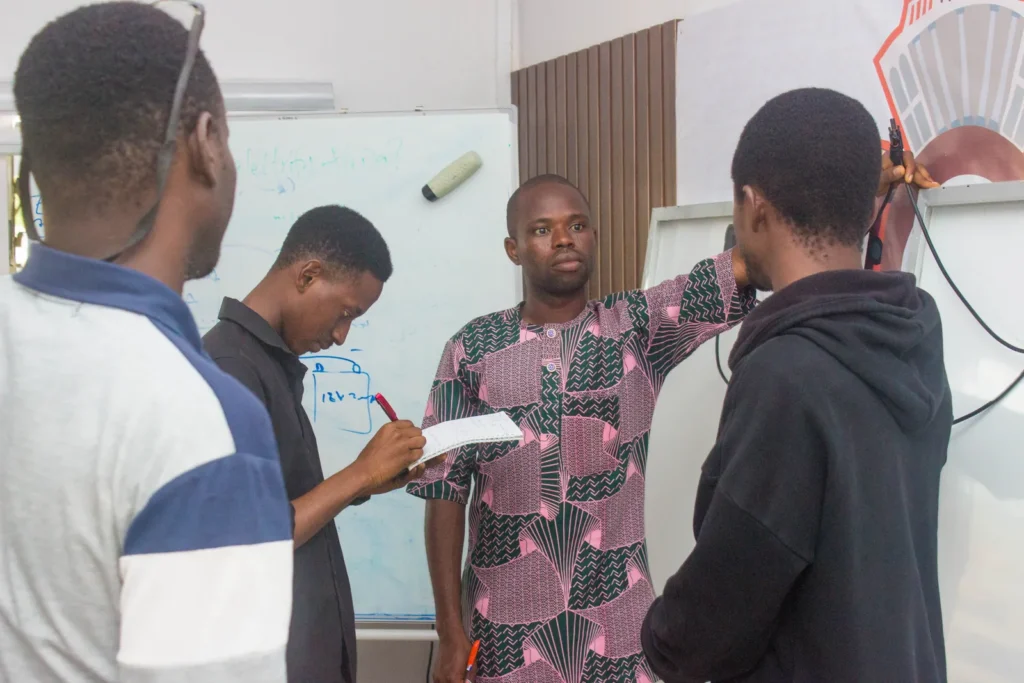


Participants power an environment, business or facility using a fully assembled solar inverter system — and pitch it as a startup to attract investors and funding.
Waste becomes energy. Forests stay standing. Families breathe cleaner air.
Nigeria generates enormous amounts of organic waste every day — from markets, households, restaurants and farms. Most of it ends up in landfills, releasing methane into the atmosphere and toxic leachate into the soil. The IPCC estimates methane is at least 25 times more potent than carbon dioxide over 100 years, and that landfill waste alone accounts for approximately 11% of global methane emissions.
Across Nigeria and Sub-Saharan Africa, an estimated 780 million people still rely on wood fuel, charcoal and crop residues as their primary cooking energy (IEA, Africa Energy Outlook, 2023). Forests are stripped, and indoor air pollution is responsible for approximately 3.2 million deaths annually worldwide (WHO, 2022). This is not a lifestyle choice. It is the consequence of an energy system that has failed them.
Biogas changes the equation entirely. Participants learn to design, build and maintain biogas systems that convert cow dung and organic food waste into clean cooking gas. Every biogas system built by a GreenVET graduate is simultaneously a climate victory, a livelihood, and a community health intervention.
Register for this track and you are added to its waiting list. When the next cohort is confirmed, we email you the dates and what to bring.

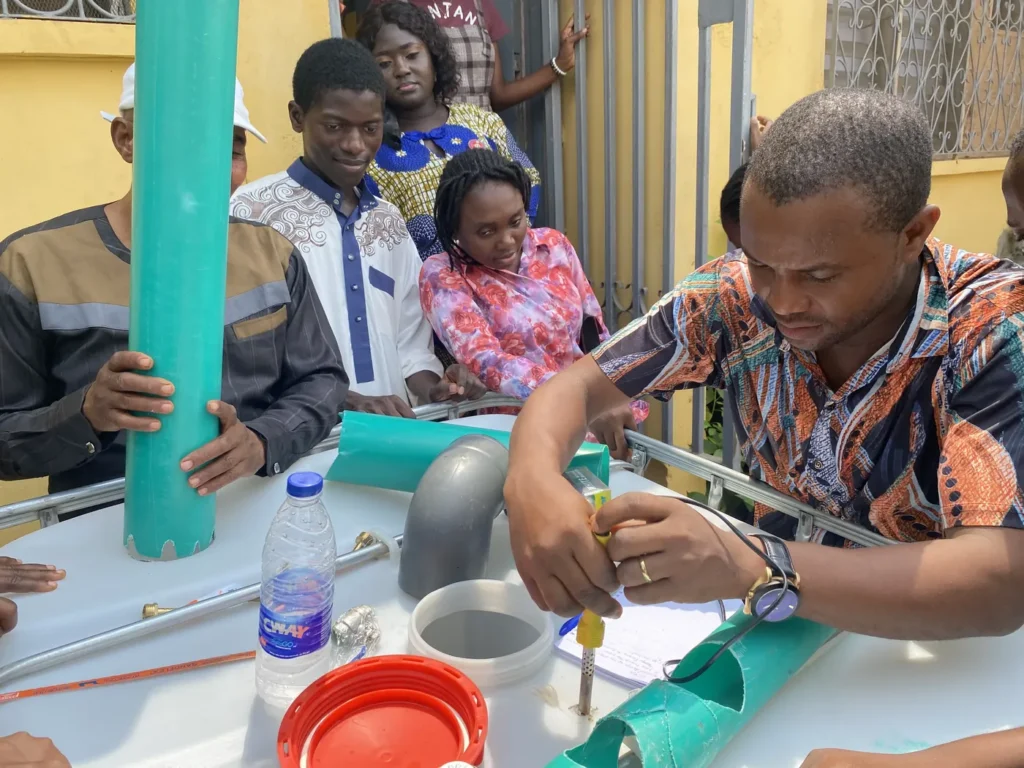
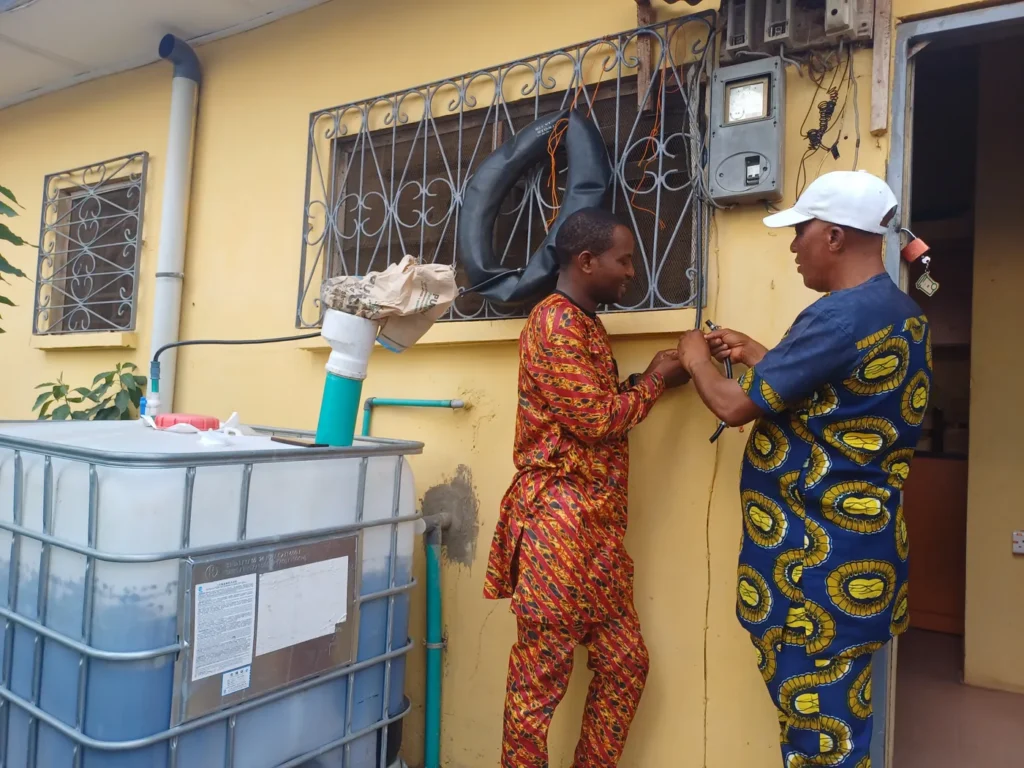
Connecting a fully functional working biogas system at CEID Hub and in local communities — not a simulation, an actual working system.
Nigeria produces 69% of the world's yam, yet most farmers still multiply seed at a rate as low as 1:3.
That means for every tuber planted, only three grow. CEID Hub, in partnership with the International Institute of Tropical Agriculture (IITA) and BOP Inc., is changing that ratio — and the livelihoods that depend on it.
Using the revolutionary Leaf Bud Cutting (LBC) technique, this training achieves multiplication rates of up to 1:300, equipping participants to produce more seed yam from less planting material, significantly increasing yields and income potential.
Register for this track and you are added to its waiting list. When the next cohort is confirmed, we email you the dates and what to bring.
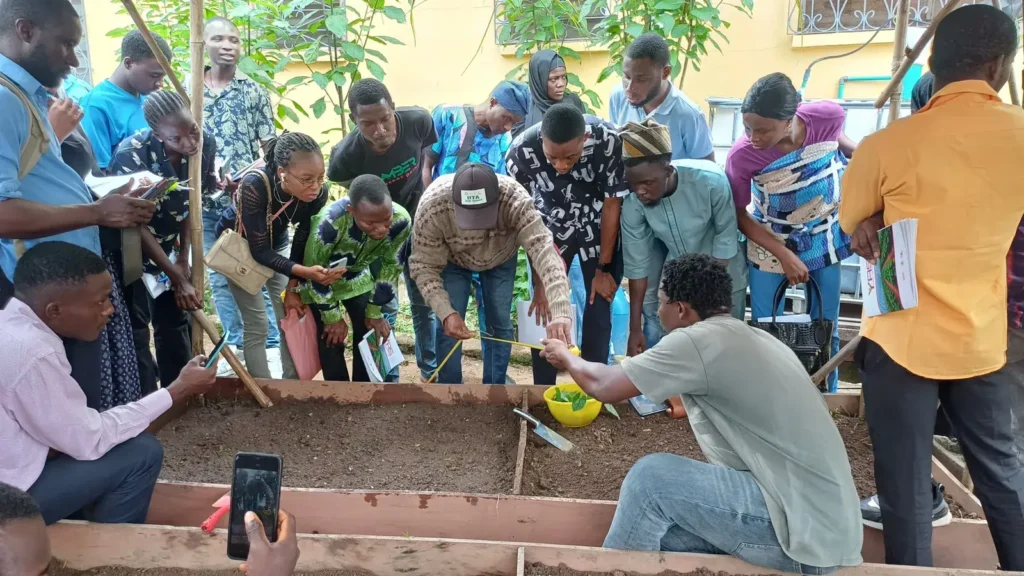
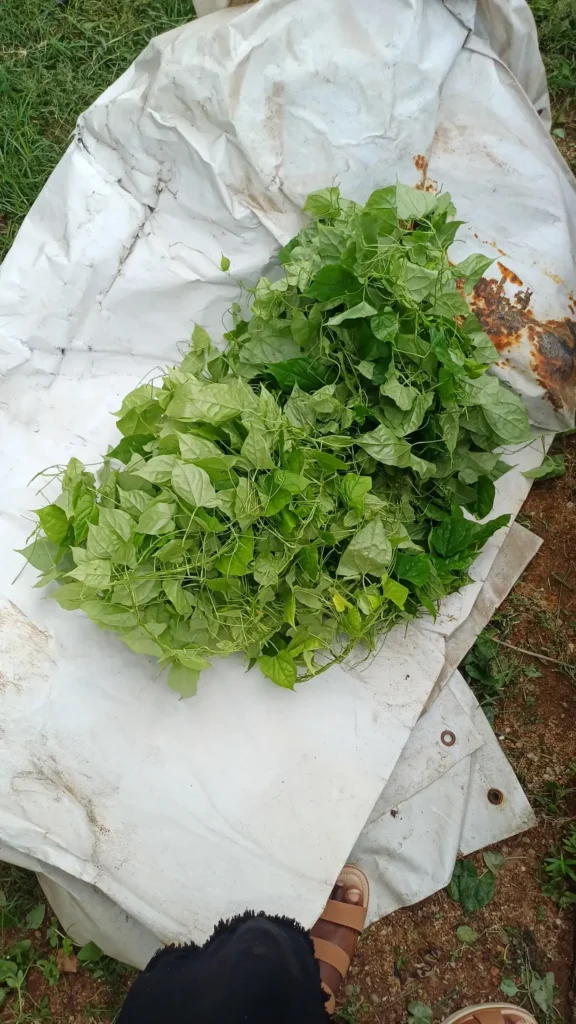
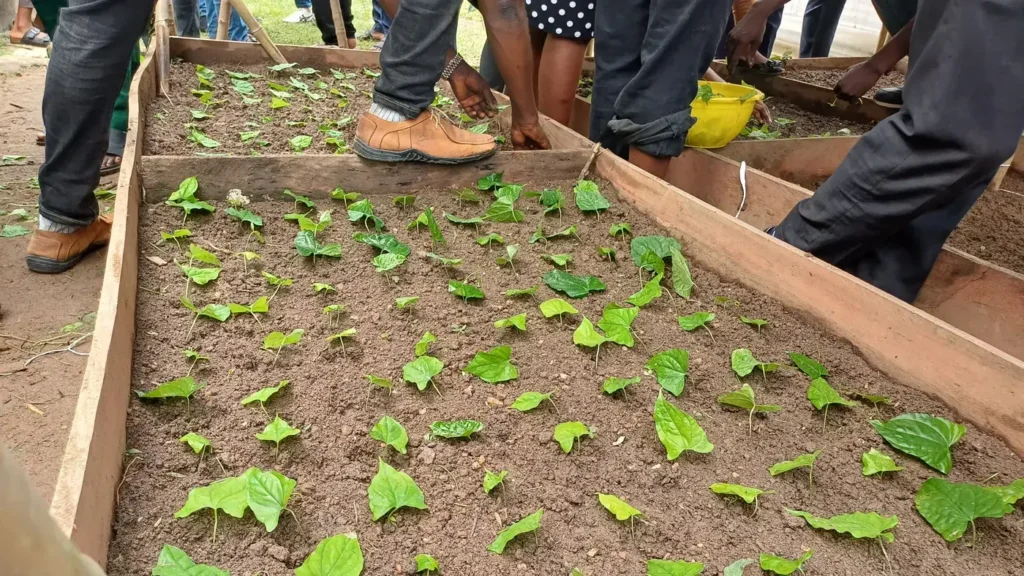
25 women and youth trained in 2024, building the foundation for a significantly expanded 2025 cohort. In 2025, 51 participants were trained across 15 Local Government Areas in Oyo State, achieving over 95% satisfaction. Participants have been connected to IITA’s offtake market, with guaranteed buyers for the seed yam they are now actively growing.
Feed costs alone consume 70–80% of livestock production costs. When feed prices spike, farmers exit.
Abandoned poultry houses and empty fish ponds are visible across markets and communities. Black Soldier Fly farming is one of the most effective circular economy solutions to this crisis. BSF larvae convert organic food waste into high-protein animal feed at 40–60% protein density — a direct, affordable substitute for conventional livestock feed. The frass left behind is a rich organic fertiliser that restores depleted soils.
We don’t just teach BSF farming, we prove it works. FOOWA Regenerative, CEID Hub’s in-house BSF enterprise, is living proof of concept. In its first six months of operations alone, FOOWA diverted over 10 tonnes of organic waste from landfills, generated over ₦3.6 million in revenue, reduced feed costs for partner farmers by up to 30%, and created 3 direct and 5 indirect green jobs.
Register for this track and you are added to its waiting list. When the next cohort is confirmed, we email you the dates and what to bring.
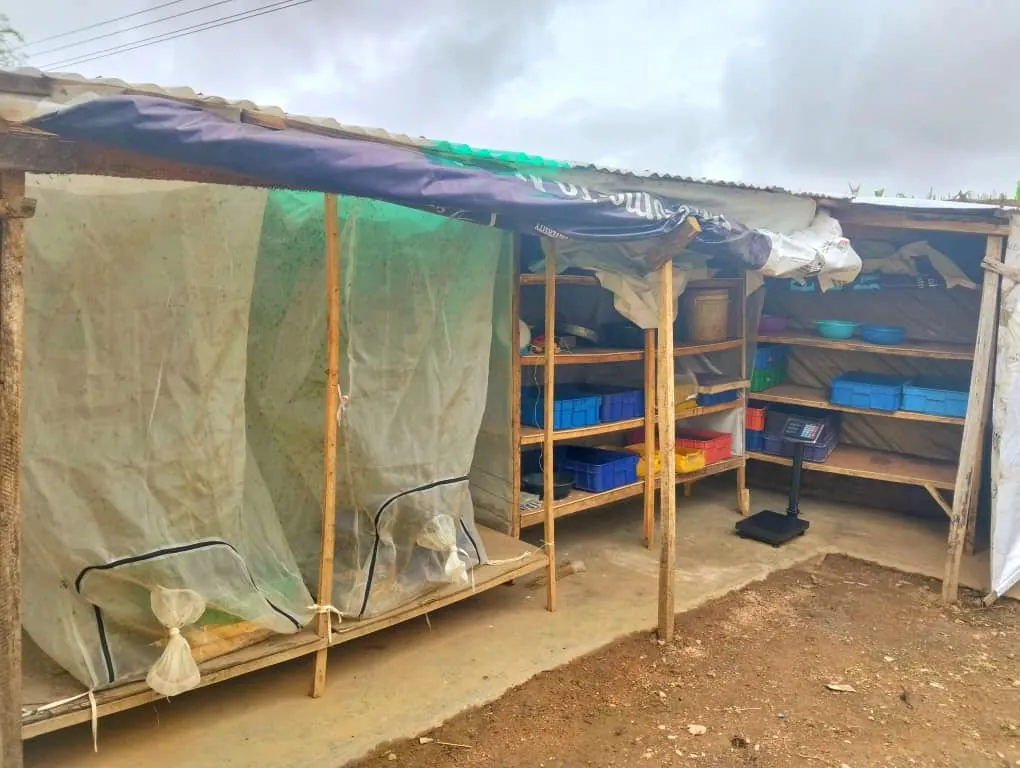
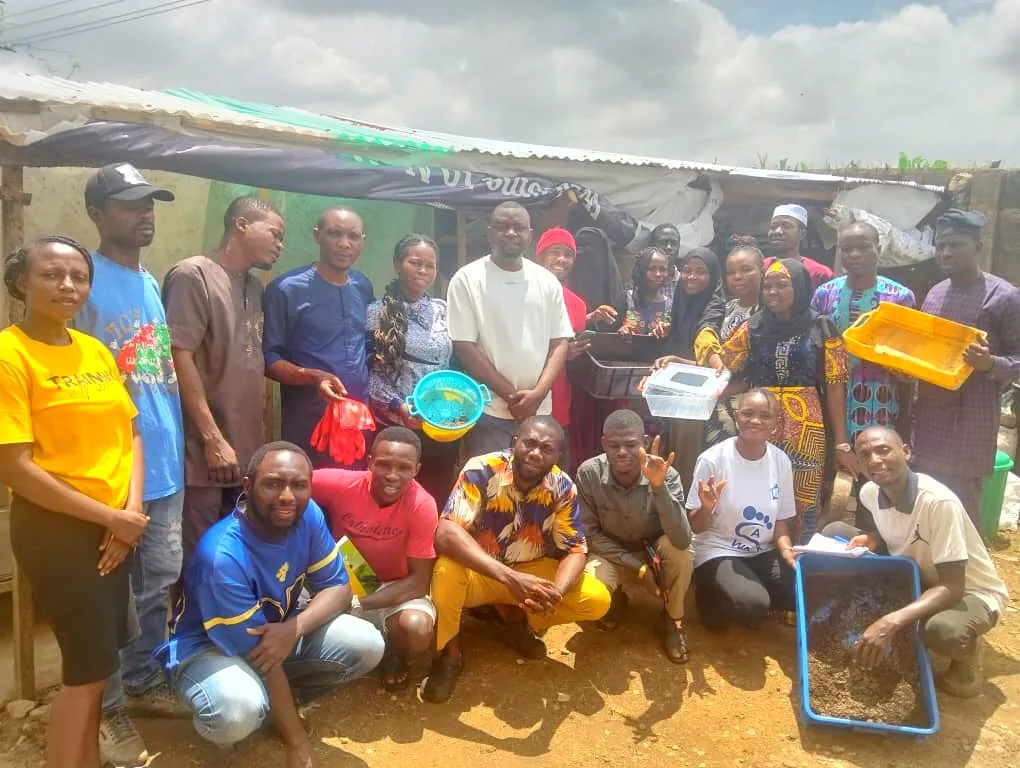

In September 2025, CEID Hub trained its first cohort of 24 BSF farmers, each of whom graduated with a starter kit, a business model, and access to an existing market that is already hungry for supply.
The model is expanding beyond Ibadan. CEID Hub has signed a formal partnership and MOU with the Kano Independent Research Centre Trust (KIRCT) and the Climate Resilient Action Group (CRAG) to establish a dedicated BSF facility in Kano State — advancing BSF research, building local technical capacity among women and youth, and directly addressing organic waste management. Our goal is to scale it into a national model.
The next GreenVET cohort does not have a start date yet. Apply now to join the waiting list, and we will email you as soon as the dates are confirmed, with everything you need to prepare.
Whether you want to train, incubate, study or conserve, there is a place for you in the ecosystem CEID Hub is building.